
NAATI Belarusian Translator for Marriage Certificate Translation
Email us directly or upload your documents here for translation:Melbourne
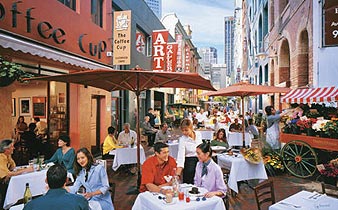
Melbourne is the capital and most populous city in the state of Victoria, and the second most populous city in Australia after Sydney. The Melbourne City Centre (also known as the "Central Business District" or "CBD") is the hub of the greater geographical area (or "metropolitan area") and the Census statistical division-of which "Melbourne" is the common name. Melbourne was founded in 1835 (47 years after the European settlement of Australia) by settlers from Launceston in Van Diemen's Land. It was named by Governor of New South Wales Sir Richard Bourke in 1837, in honour of the British Prime Minister of the day, William Lamb, 2nd Viscount Melbourne. During the Victorian gold rush of the 1850s, it was transformed into one of the world's largest and wealthiest cities.
Belarusian Marriage Certificate Translation for Melbourne
 Getting your marriage certified translated for official use in Melbourne is easy. Our NAATI certified Belarusian translators are ready to assist you and everything can be done online.
- Leading provider for NAATI certified Belarusian translation
- Fast Belarusian translation with no extra charges
- Experienced NAATI certified translators based in Australia
Belarusian NAATI Translators
Melbourne Document Translation Services
 Get professional document translation for personal or business use. Our translators can handle any type of financial, technical or medical document, with the support of a specialised language DTP team for typesetting translations into design material such as brochures, product packaging and technical reports.
All documents received are confidential. Get in touch today for any translation requirement.


More about the Belarusian Language
Belarusian is one of the East Slavic languages and shares many grammatical and lexical features with other members of the group. To some extent, Russian, Ukrainian, and Belarusian are mutually intelligible. Its predecessor stage is known as Old Belarusian (14th to 17th centuries), in turn descended from Old East Slavic (10th to 13th centuries).