NAATI Montenegrin Translator for Marriage Certificate Translation
Email us directly or upload your documents here for translation:Brisbane
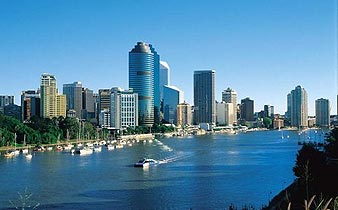
Brisbane is the capital and most populous city in the Australian state of Queensland and the third most populous city in Australia. Brisbane's metropolitan area has a population of over 2 million and constitutes the core of the South East Queensland agglomeration, encompassing more than 3 million people. The Brisbane central business district stands on the original European settlement and is situated inside a bend of the Brisbane River approximately 23 kilometres from its mouth at Moreton Bay.
Our translation agency is able to help you bridge the gap between different languages, find the best professionals to translate all your documents accurately. We handle day-to-day interpreter bookings in Brisbane for major Asian and European languages in Australia. See our Brisbane Translation Services for local support.
Montenegrin Marriage Certificate Translation for Brisbane
 Getting your marriage certified translated for official use in Brisbane is easy. Our NAATI certified Montenegrin translators are ready to assist you and everything can be done online.
- Leading provider for NAATI certified Montenegrin translation
- Fast Montenegrin translation with no extra charges
- Experienced NAATI certified translators based in Australia
Montenegrin NAATI Translators
Brisbane Document Translation Services
 Get professional document translation for personal or business use. Our translators can handle any type of financial, technical or medical document, with the support of a specialised language DTP team for typesetting translations into design material such as brochures, product packaging and technical reports.
All documents received are confidential. Get in touch today for any translation requirement.

More about the Montenegrin Language
Distinctive Alphabet: Montenegrin uses both the Latin and Cyrillic alphabets, similar to Serbian. However, it has introduced a few additional letters in the Latin alphabet, like "ś" and "ź," which are not found in Serbian. Translators working with Montenegrin texts must be aware of these unique characters to ensure accurate representation.
Recent Standardisation: Montenegrin was only officially recognised as a distinct language from Serbian in 2007, following Montenegro's independence in 2006. This recent standardisation means that there is still a great deal of overlap with Serbian, Croatian, and Bosnian, making translation nuanced. Translators often need to navigate these similarities carefully, especially in legal and official documents.
Dialects: Montenegrin has several dialects, with the Zeta-South Sandžak dialect being the most prominent. The presence of these dialects can affect the translation, particularly in literary works or regional documents where dialectical differences may carry significant meaning or cultural context.